June 1, 2026
Enhancing Law Enforcement Readiness Through Advanced Tactical Medical Training in The Bahamas
The ability to respond effectively to traumatic injuries during critical incidents can mean the difference between life and death. In The Bahamas, a recent initiative has taken a significant step toward improving the readiness and survivability of law enforcement officers facing high-risk situations. Paratus Tactical successfully delivered the Tactical Emergency Casualty Care for Law Enforcement Officers (TECC-LEO) course, equipping local security personnel with vital medical skills designed for tactical environments.
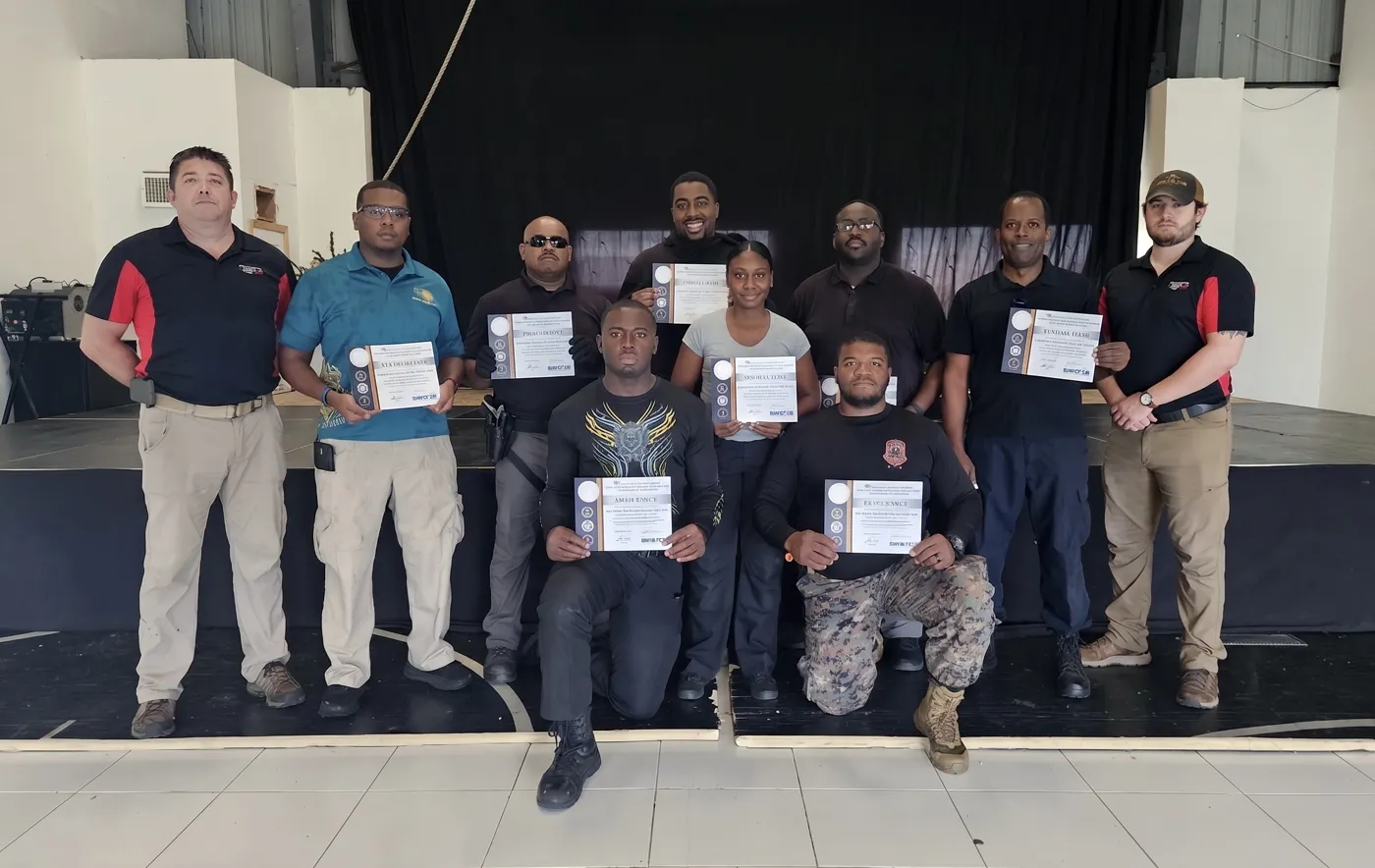
Tactical medical training session in Nassau, Bahamas
The Importance of Tactical Medical Training for Law Enforcement
Law enforcement officers often operate in unpredictable and dangerous environments. Traumatic injuries can occur during confrontations, accidents, or emergency responses. Traditional first aid training may not fully prepare officers for the unique challenges of providing care under fire or in hostile conditions. The TECC-LEO course addresses this gap by focusing on:
-
Managing life-threatening bleeding
-
Securing airways in trauma patients
-
Treating shock and other critical conditions
-
Applying medical interventions while maintaining situational awareness
By mastering these skills, officers increase their chances of survival and improve outcomes for injured colleagues, civilians, or suspects.
Overview of the TECC-LEO Course Delivered in Nassau
The TECC-LEO course held in Nassau was a two-day intensive program designed specifically for law enforcement officers. Nine officers from various key security sectors participated, including representatives from:
-
Central Bank of The Bahamas Internal Security
-
Royal Bahamas Police Force (R.B.P.F) SWAT
-
Phobos Special Operations Forces (SOF) CPO team
-
Department of Corrections
This diverse group brought a wide range of operational experiences, enriching the training environment and fostering collaboration across agencies.
Course Structure and Training Highlights
The course combined classroom instruction with hands-on practical exercises. Participants learned through:
-
Scenario-based drills simulating real-life emergencies
-
Use of tactical medical equipment such as tourniquets and hemostatic agents
-
Team-based casualty management under stress
-
Written and practical assessments to ensure skill mastery
The international training team praised the cohort for their dedication, noting their strong academic performance and excellent execution of hands-on skills. This level of engagement is crucial for ensuring that the knowledge gained translates into effective action in the field.
Certification and Global Recognition
Upon successful completion, officers received dual certification:
-
National Certification recognized within The Bahamas
-
International Certification through the National Association of Emergency Medical Technicians (NAEMT)
These credentials confirm that the officers meet rigorous standards and hold qualifications respected worldwide. This recognition enhances their professional credibility and opens opportunities for further training and collaboration internationally.